Homemade Meatballs Recipe – Juicy, Tender, and Full of Flavor
Discover the joy of making homemade meatballs with this easy and delicious recipe.
Packed with fresh herbs, flavorful seasonings, and tender meat, these meatballs are perfect for any meal.
Whether you bake, fry, or simmer them in your favorite sauce, they turn out juicy and full of taste every time.
Serve them with pasta, sandwiches, or as a party appetizer.
Simple, versatile, and satisfying, this recipe is perfect for family dinners, special occasions, or quick weeknight meals that everyone will love.
What is Homemade Meatballs Recipe?
Homemade meatballs are a classic comfort food made from fresh ingredients combined and shaped into small, flavorful balls.
Unlike store-bought or pre-packaged options, homemade meatballs allow you to control the quality of meat, seasoning, and texture, resulting in a dish that is rich, juicy, and full of flavor.
Traditionally, meatballs are made using ground meat—such as beef, pork, chicken, or turkey—mixed with breadcrumbs, eggs, herbs, and spices.
These ingredients bind together to create a tender, cohesive mixture that cooks evenly.
The beauty of homemade meatballs lies in their versatility.
They can be pan-fried for a crispy exterior, baked for a healthier option, or simmered in sauces like marinara, gravy, or creamy soups.
They can serve as a main course, a hearty addition to pasta, a sandwich filling, or even a party appetizer.
Making meatballs from scratch also allows you to experiment with flavors and ingredients, from adding garlic, onion, and Parmesan cheese to incorporating fresh herbs like parsley or basil.
Every homemade meatball can reflect your personal taste, making it a favorite for family meals or special occasions.
With a simple recipe and a little care, these little bundles of flavor can transform any meal into something memorable.
Why I Love This Recipe
There’s something truly special about homemade meatballs that makes this recipe one of my all-time favorites.
The process of making them from scratch feels rewarding, and the result is always a dish packed with warmth and flavor.
Unlike pre-made options, homemade meatballs carry a freshness that is unmistakable, and every bite reflects the care and attention put into preparing them.
One of the reasons I love this recipe is its versatility.
You can adapt it to suit any meal or occasion—whether served over pasta, tucked into a sandwich, or enjoyed on their own as a hearty appetizer.
The balance of herbs, spices, and seasonings allows each meatball to burst with flavor, while the mix of breadcrumbs and eggs ensures a tender, juicy texture that melts in your mouth.
Another reason is how comforting and satisfying they are.
There’s a nostalgic element to cooking and sharing meatballs with family and friends, making mealtime feel warm and inviting.
They’re also easy to personalize—adding garlic, Parmesan, or fresh herbs transforms the dish and keeps it exciting.
Simple, flavorful, and universally loved, this homemade meatballs recipe has earned a permanent place in my cooking rotation.
Ingredients for Homemade Meatballs Recipe
Creating perfect homemade meatballs starts with fresh, high-quality ingredients. Here’s what you’ll need:
-
Ground Meat: 1 pound of beef, pork, chicken, or a mix, depending on your preference.
-
Breadcrumbs: ½ cup, for binding and maintaining a tender texture.
-
Eggs: 1 or 2, to help hold the mixture together.
-
Onion: ¼ cup, finely chopped or grated for moisture and flavor.
-
Garlic: 2–3 cloves, minced, for a subtle aromatic punch.
-
Parmesan Cheese: ¼ cup, grated, to add richness and depth.
-
Fresh Herbs: 2 tablespoons of parsley or basil, chopped, for freshness.
-
Milk: 2–3 tablespoons, to keep meatballs soft and juicy.
-
Salt: 1 teaspoon, or to taste, to enhance the flavors.
-
Black Pepper: ½ teaspoon, freshly ground for a mild kick.
-
Optional Spices: A pinch of red pepper flakes, paprika, or Italian seasoning for added flavor.
These ingredients combine to create meatballs that are tender, flavorful, and adaptable to many dishes. Choosing fresh, high-quality components ensures every bite is rich and satisfying, while optional seasonings let you customize the taste to your liking.
Equipment Needed
Preparing homemade meatballs is simple, but having the right tools makes the process smoother and more enjoyable. Here’s what you’ll need:
-
Mixing Bowl: A large bowl to combine all ingredients evenly.
-
Measuring Cups and Spoons: For accurate measurement of ingredients.
-
Cutting Board and Knife: To chop onions, garlic, and herbs finely.
-
Grater or Microplane: For grating Parmesan cheese or onions.
-
Wooden Spoon or Spatula: To mix the meatball mixture without overworking it.
-
Baking Sheet or Pan: For baking meatballs in the oven.
-
Skillet or Frying Pan: For pan-frying meatballs to get a golden-brown crust.
-
Tongs or Spoon: To turn meatballs safely while cooking.
-
Optional: Ice cream scoop or cookie scoop for uniform-sized meatballs.
Having the right equipment not only makes cooking easier but also ensures that the meatballs cook evenly and look professional.
Even if you don’t have every tool, simple alternatives like a regular spoon or pan work perfectly fine.
How to Make Homemade Meatballs Recipe
Making homemade meatballs is simple when you follow these steps:
-
Prepare the Ingredients: Gather all the meat, breadcrumbs, eggs, herbs, cheese, and seasonings. Chop onions, garlic, and herbs finely.
-
Mix the Meatball Base: In a large bowl, combine ground meat, breadcrumbs, eggs, onions, garlic, Parmesan, herbs, milk, salt, and pepper. Mix gently with a spoon or your hands until just combined—avoid overmixing to keep the meatballs tender.
-
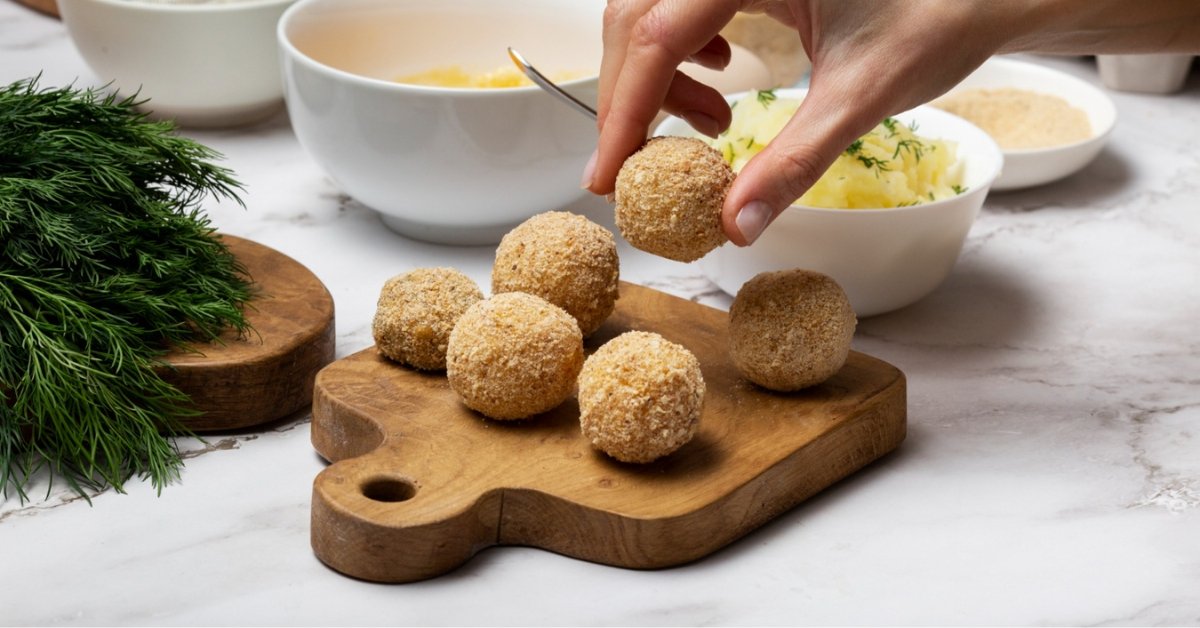
Shape the Meatballs: Use your hands or a small scoop to form the mixture into evenly sized balls, about 1–1.5 inches in diameter.
-
Choose a Cooking Method:
-
Pan-Fry: Heat a little oil in a skillet and cook meatballs on medium heat until browned on all sides.
-
Bake: Place meatballs on a lined baking sheet and bake at 400°F (200°C) for 15–20 minutes, or until cooked through.
-
Simmer in Sauce: Add raw or lightly browned meatballs directly into your favorite sauce and cook until done.
-
-
Check for Doneness: Ensure the internal temperature reaches 165°F (74°C) for poultry or 160°F (71°C) for beef/pork.
-
Serve or Store: Enjoy immediately, or let them cool and store in an airtight container for later use.
Step-by-Step Instructions
Follow these steps carefully to make tender and flavorful homemade meatballs:
-
Preheat and Prepare:
-
If baking, preheat your oven to 400°F (200°C).
-
Line a baking sheet with parchment paper or lightly grease a skillet if frying.
-
-
Combine Ingredients:
-
In a large mixing bowl, add ground meat, breadcrumbs, eggs, finely chopped onions, garlic, grated Parmesan, fresh herbs, milk, salt, and pepper.
-
Mix gently until ingredients are evenly distributed. Avoid overmixing to keep meatballs tender.
-
-
Shape the Meatballs:
-
Use your hands or a small scoop to form evenly sized meatballs, around 1–1.5 inches in diameter.
-
Placing them on a plate or tray while forming keeps the process organized.
-
-
Cook the Meatballs:
-
Pan-Fry: Heat a small amount of oil in a skillet over medium heat. Cook meatballs until browned on all sides, turning carefully with tongs.
-
Bake: Arrange meatballs on a lined baking sheet and bake for 15–20 minutes until fully cooked.
-
Simmer in Sauce: Add meatballs directly to simmering sauce and cook until done, allowing flavors to meld.
-
-
Check for Doneness:
-
Meatballs should reach an internal temperature of 160°F (71°C) for beef/pork or 165°F (74°C) for poultry.
-
-
Serve:
-
Pair with pasta, bread, or your favorite sauce and garnish with fresh herbs or grated cheese.
-
Cooking Methods
There are several ways to cook homemade meatballs, each bringing out different textures and flavors:
-
Pan-Frying:
-
Heat a small amount of oil in a skillet over medium heat.
-
Place the meatballs in the pan, making sure they don’t touch.
-
Cook for 8–10 minutes, turning occasionally until all sides are golden brown.
-
Pan-frying gives meatballs a crispy exterior while keeping the inside juicy.
-
-
Baking:
-
Preheat the oven to 400°F (200°C).
-
Arrange meatballs on a parchment-lined baking sheet.
-
Bake for 15–20 minutes, depending on size, until fully cooked.
-
Baking is a hands-off method that produces evenly cooked meatballs with less oil.
-
-
Simmering in Sauce:
-
Prepare your favorite sauce in a pan or pot.
-
Gently add raw or lightly browned meatballs to the simmering sauce.
-
Cover and cook for 15–20 minutes, allowing the meatballs to absorb the sauce’s flavors.
-
This method keeps meatballs soft and infuses them with rich, saucy taste.
-
-
Combination Method:
-
For best results, lightly brown meatballs in a skillet and then finish cooking them in sauce.
-
This method gives a golden exterior and full flavor absorption from the sauce.
-
Tips for Perfect Homemade Meatballs
Creating meatballs that are tender, juicy, and full of flavor can be easy if you follow these tips:
-
Use Fresh Ingredients:
-
Fresh herbs, garlic, and quality meat make a noticeable difference in flavor.
-
-
Don’t Overmix the Meat:
-
Gently combine ingredients to avoid dense or tough meatballs.
-
-
Add Moisture:
-
A small amount of milk, grated onion, or breadcrumbs soaked in liquid helps keep meatballs soft.
-
-
Uniform Size:
-
Shape meatballs evenly so they cook at the same rate and avoid overcooking smaller ones.
-
-
Brown Before Baking or Simmering:
-
Lightly browning meatballs adds flavor and helps them hold their shape.
-
-
Check Temperature:
-
Use a thermometer to ensure meatballs reach the safe internal temperature: 160°F (71°C) for beef/pork or 165°F (74°C) for poultry.
-
-
Rest Before Serving:
-
Let meatballs sit for a few minutes after cooking to lock in juices.
-
-
Experiment with Flavors:
-
Try adding Parmesan, herbs, or spices to match your personal taste or pair with sauces.
-
Following these simple tips ensures meatballs are always tender, flavorful, and perfectly cooked every time.
Serving Suggestions
Homemade meatballs are versatile and can be enjoyed in many ways. Here are some delicious ideas:
-
With Pasta:
-
Serve meatballs over spaghetti, fettuccine, or any pasta with your favorite sauce for a classic, comforting meal.
-
-
In Sandwiches:
-
Place meatballs in a toasted sub roll, add marinara sauce and melted cheese for a hearty meatball sandwich.
-
-
As an Appetizer:
-
Serve smaller meatballs with toothpicks and dipping sauces, like barbecue or creamy garlic, for parties or gatherings.
-
-
With Rice or Grains:
-
Pair meatballs with steamed rice, quinoa, or couscous and drizzle with sauce for a balanced, satisfying dish.
-
-
In Soups or Stews:
-
Add cooked meatballs to vegetable soups or hearty stews to enhance flavor and protein content.
-
-
On a Salad:
-
Slice or halve meatballs and add to a fresh green salad with a light vinaigrette for a protein-packed option.
-
-
With Vegetables:
-
Serve alongside roasted or steamed vegetables for a wholesome, family-friendly meal.
-
These serving options make homemade meatballs a versatile choice for breakfast, lunch, dinner, or special occasions.
Storage and Reheating Tips
Proper storage and reheating keep your homemade meatballs fresh, flavorful, and safe to eat. Follow these tips:
-
Cool Before Storing:
-
Allow meatballs to cool to room temperature before placing them in the refrigerator or freezer to prevent condensation and sogginess.
-
-
Refrigeration:
-
Store cooked meatballs in an airtight container in the refrigerator for up to 3–4 days.
-
Keep sauce separate or together, depending on your preference.
-
-
Freezing:
-
Freeze meatballs on a baking sheet in a single layer for 1–2 hours, then transfer to a freezer-safe container or bag.
-
Frozen meatballs can last up to 3 months.
-
-
Reheating in Oven:
-
Preheat the oven to 350°F (175°C).
-
Place meatballs on a baking sheet, cover with foil to prevent drying, and heat for 10–15 minutes until warmed through.
-
-
Reheating on Stovetop:
-
Simmer meatballs in sauce over low heat until heated evenly.
-
Stir occasionally to prevent sticking or burning.
-
-
Reheating in Microwave:
-
Place meatballs on a microwave-safe dish and cover with a microwave-safe lid or wrap.
-
Heat in 1–2 minute intervals, stirring or turning meatballs to ensure even warming.
-
Following these tips ensures your meatballs stay juicy, flavorful, and ready to enjoy anytime.
Variations and Substitutions
Homemade meatballs can be easily adapted to suit different tastes, dietary preferences, or ingredient availability. Here are some ideas:
-
Different Meats:
-
Swap ground beef for pork, chicken, turkey, lamb, or a combination for varied flavor and texture.
-
-
Vegetarian or Plant-Based Options:
-
Use lentils, chickpeas, or textured vegetable protein with breadcrumbs and spices to create meatless meatballs.
-
-
Gluten-Free Alternatives:
-
Replace regular breadcrumbs with almond flour, crushed gluten-free crackers, or oats for a gluten-free version.
-
-
Cheese Variations:
-
Try adding mozzarella, feta, or ricotta instead of Parmesan for a different taste profile.
-
-
Herb and Spice Adjustments:
-
Experiment with basil, oregano, thyme, paprika, or red pepper flakes to match your preferred flavor intensity.
-
-
Sauce Pairings:
-
Serve meatballs with tomato-based sauce, creamy gravy, barbecue sauce, teriyaki glaze, or even curry for unique meals.
-
-
Cooking Methods:
-
Mix and match methods: bake some for a lighter version, fry others for a crispy exterior, or simmer in sauces for extra juiciness.
-
These variations make it easy to customize homemade meatballs, keeping the dish exciting and adaptable to any occasion or preference.
FAQs About Homemade Meatballs Recipe
Q1: How can I make meatballs tender and juicy?
A: To keep meatballs tender, avoid overmixing the meat. Adding breadcrumbs soaked in milk, grated onion, and a little egg helps retain moisture, giving soft and juicy results.
Q2: Can I freeze homemade meatballs?
A: Yes! Place uncooked or cooked meatballs on a baking sheet in a single layer to freeze for 1–2 hours. Then transfer to a freezer-safe container or bag. They can be stored up to 3 months.
Q3: What is the best meat for homemade meatballs?
A: Ground beef is classic, but a combination of beef and pork adds richness. Chicken, turkey, or lamb also work well and can be used depending on your taste preference.
Q4: How do I prevent meatballs from falling apart?
A: Using a binding mix of eggs and breadcrumbs, handling the meat gently, and browning them before simmering in sauce helps maintain their shape.
Q5: Can I make meatballs without breadcrumbs?
A: Yes! You can substitute with oats, crushed crackers, or almond flour to help bind the mixture while keeping it gluten-free.
Q6: How should I reheat meatballs without drying them out?
A: Reheat in a sauce on low heat, or cover with foil in the oven. Microwaving in short intervals also works, but adding a bit of sauce or water prevents them from drying.
Final Thoughts on Homemade Meatballs Recipe
Homemade meatballs are more than just a meal—they are a comforting, versatile dish that brings warmth and flavor to any table.
Taking the time to make them from scratch allows you to control every ingredient, ensuring freshness and quality in every bite. From the choice of meat to the blend of herbs, spices, and cheese, each element contributes to a meatball that is tender, juicy, and full of taste.
One of the best parts about making meatballs at home is the flexibility. You can bake them for a lighter version, pan-fry for a golden crust, or simmer in your favorite sauce for a rich, flavorful meal.
They can be served over pasta, tucked into sandwiches, added to soups, or enjoyed as a simple appetizer. Variations are endless, allowing you to customize them to your family’s tastes or dietary needs.
With the right ingredients, careful preparation, and attention to cooking methods, homemade meatballs are sure to impress both family and friends.
They are easy to store, reheat, and even freeze for future meals, making them a practical choice for busy weeknights or special occasions.
Ultimately, homemade meatballs are a timeless dish that combines simplicity, flavor, and love in every bite, making them a staple in kitchens everywhere.

Homemade Meatballs Recipe – Juicy, Tender, and Full of Flavor
Course: Main Dishes4
servings20
minutes30
minutes320
kcalIngredients
Ground Meat: 1 pound of beef, pork, chicken, or a mix, depending on your preference.
Breadcrumbs: ½ cup, for binding and maintaining a tender texture.
Eggs: 1 or 2, to help hold the mixture together.
Onion: ¼ cup, finely chopped or grated for moisture and flavor.
Garlic: 2–3 cloves, minced, for a subtle aromatic punch.
Parmesan Cheese: ¼ cup, grated, to add richness and depth.
Fresh Herbs: 2 tablespoons of parsley or basil, chopped, for freshness.
Milk: 2–3 tablespoons, to keep meatballs soft and juicy.
Salt: 1 teaspoon, or to taste, to enhance the flavors.
Black Pepper: ½ teaspoon, freshly ground for a mild kick.
Optional Spices: A pinch of red pepper flakes, paprika, or Italian seasoning for added flavor.
How to Make:
- Prepare the Ingredients: Gather all the meat, breadcrumbs, eggs, herbs, cheese, and seasonings. Chop onions, garlic, and herbs finely.
- Mix the Meatball Base: In a large bowl, combine ground meat, breadcrumbs, eggs, onions, garlic, Parmesan, herbs, milk, salt, and pepper. Mix gently with a spoon or your hands until just combined—avoid overmixing to keep the meatballs tender.
- Shape the Meatballs: Use your hands or a small scoop to form the mixture into evenly sized balls, about 1–1.5 inches in diameter.
- Choose a Cooking Method:
Pan-Fry: Heat a little oil in a skillet and cook meatballs on medium heat until browned on all sides.
Bake: Place meatballs on a lined baking sheet and bake at 400°F (200°C) for 15–20 minutes, or until cooked through.
Simmer in Sauce: Add raw or lightly browned meatballs directly into your favorite sauce and cook until done. - Check for Doneness: Ensure the internal temperature reaches 165°F (74°C) for poultry or 160°F (71°C) for beef/pork.
- Serve or Store: Enjoy immediately, or let them cool and store in an airtight container for later use.